Understanding the business valuation cost is essential for any entrepreneur or investor planning to buy, sell, or merge a company. Accurately assessing a business’s worth ensures informed decision-making and minimizes financial risks. The business valuation cost can vary depending on the complexity of financial statements, industry, and chosen business valuation methods. Factors like M&A valuation fees and legal requirements also influence overall expenses. By exploring these costs, business owners can plan effectively, select the right valuation approach, and avoid surprises during negotiations. A clear grasp of valuation principles promotes strategic growth and financial transparency.
Factors Influencing Business Valuation Costs
The business valuation cost depends on multiple factors. First, the business’s size and financial complexity affect fees significantly. A large enterprise with intricate revenue streams requires more detailed analysis than a small one. Second, the purpose of the valuation, such as mergers, acquisitions, or exit planning valuation cost, also changes pricing. Legal contexts like litigation valuation cost or business valuation for shareholder disputes can further raise costs. Third, the experience and reputation of the valuation provider impact the final price.
Additionally, the chosen business valuation methods influence costs. Methods like the income approach, asset-based approach, and market approach differ in complexity and required data. Valuations for specialized purposes, such as business valuation for SBA loans or estate planning, may require extra documentation. Location, industry norms, and historical performance also matter. Overall, knowing these factors helps owners budget effectively and select appropriate providers while understanding how various circumstances drive the business appraisal cost.
Common Business Valuation Methods and Their Costs
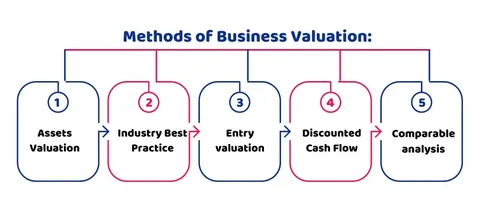
Businesses can be valued using several approaches. The income approach estimates future profits, often using discounted cash flow analysis. The market approach compares the business to similar companies sold recently. The asset-based approach calculates the net value of tangible and intangible assets. Each method affects valuation report pricing, as more detailed analyses require more resources. Choosing the right approach is critical to obtaining accurate results while controlling business valuation cost.
Some businesses may require specialized methods. For example, business valuation for mergers or acquisitions often combines multiple approaches. Certified valuations, used in legal or tax contexts, are more expensive than uncertified assessments. Smaller businesses may rely on simpler models, while larger firms require intricate financial modeling. Understanding the pros and cons of each method helps reduce unnecessary costs. Providers often recommend a combination based on purpose, ensuring the business valuation for sale or other objectives is thorough and reliable.
Small Business Valuation: Typical Price Range
For small businesses, the business valuation cost generally ranges from $2,000 to $10,000. Factors affecting pricing include financial history, industry, and intended purpose. For example, business valuation for tax reporting may differ from a valuation intended for business valuation for sale. Simpler operations and fewer assets make smaller businesses less expensive to value, though quality and accuracy remain essential.
Small businesses can also explore cost-saving options. Providing organized financial documents reduces provider effort, lowering business appraisal cost. Using standard business valuation methods suitable for small firms ensures efficiency. While some may consider Can I get a free business valuation?, professional valuations guarantee reliability and legal compliance. Understanding these considerations helps owners budget appropriately while obtaining a meaningful valuation.
Mid-Sized Business Valuation: Typical Price Range
Mid-sized businesses face higher business valuation cost, typically ranging from $10,000 to $50,000. Increased complexity arises from multiple product lines, employees, and larger revenue streams. Valuations for purposes such as business valuation for merger or shareholder disputes demand careful analysis, increasing M&A valuation fees. The method selected, provider expertise, and documentation depth all affect pricing.
Proper planning can optimize costs. Providing complete financial statements and clear objectives streamlines the valuation process. Choosing a provider familiar with the industry ensures accurate and timely assessments. Mid-sized companies may need combined approaches, integrating income, market, and asset-based methods. Understanding these dynamics ensures transparency in business valuation cost and supports strategic decisions like exit planning valuation cost or expansion.
Large Business Valuation: Typical Price Range
Valuing large enterprises often involves business valuation cost between $50,000 and $100,000 or more. Complexity arises from diverse revenue streams, multiple locations, and regulatory requirements. Valuations for business valuation for mergers, estate planning, or SBA compliance require detailed documentation. Large companies must work with highly experienced providers to ensure accuracy and credibility.
Costs are also influenced by methodology. Advanced business valuation methods often integrate financial projections, market analysis, and asset appraisal. Legal or shareholder dispute contexts, like business valuation for shareholder disputes, further raise costs. Large businesses should budget carefully and plan thoroughly to avoid surprises while ensuring a precise and defensible valuation.
Business Valuation Costs by Business Size
The business valuation cost varies significantly depending on the size and complexity of a business. Small businesses generally have lower costs due to simpler operations and fewer assets, while mid-sized and large enterprises require detailed analysis, increasing M&A valuation fees and business appraisal cost. Understanding typical costs helps owners budget and plan effectively. What is the average cost of a business valuation? can differ widely, but standard ranges provide a helpful reference for planning purposes.
| Business Size | Typical Cost Range | Common Purposes | Notes |
| Small Business | $2,000 – $10,000 | Business valuation for sale, tax reporting | Simpler business valuation methods, faster turnaround |
| Mid-Sized Business | $10,000 – $50,000 | Business valuation for merger, shareholder disputes | Requires multiple approaches, more financial documentation |
| Large Business | $50,000 – $100,000+ | Business valuation for acquisition, estate planning | Complex operations, advanced analysis, certified valuations usually |
This table highlights how business valuation for SBA loans, exit planning valuation cost, and business valuation for buy-sell agreements can influence the overall pricing. By comparing costs across different sizes, owners can make informed decisions about the level of analysis required and choose appropriate business valuation methods to balance accuracy and affordability.
Certified vs. Uncertified Valuations: Cost Differences
Certified valuations, conducted by accredited professionals, typically have higher business valuation cost due to rigorous standards and documentation. These are often required in legal contexts, such as business valuation for divorce proceedings or business valuation for SBA 7(a) loans. Certified valuations provide credibility and can withstand scrutiny in court or regulatory reviews.
Uncertified valuations are less expensive but may not meet legal or tax requirements. They are suitable for internal purposes or preliminary assessments. Businesses must weigh cost against necessity. For instance, What is the cost of a certified business valuation? may be justified if legal compliance is critical. Understanding these differences helps in selecting the appropriate valuation type while managing expenses effectively.
How Long Does a Business Valuation Take?
The timeline for business valuation cost depends on business complexity and purpose. Standard valuations may take two to six weeks, while detailed analyses for business valuation for buy-sell agreements or estate planning could extend longer. Providers often request complete financial records to avoid delays.
Time can also affect cost. Longer, more detailed valuations require more resources, raising M&A valuation fees or tax valuation fees. Planning ahead and ensuring financial transparency can reduce the duration and cost. Knowing How long does a business valuation take? helps owners schedule transactions and manage expectations efficiently.
Why Some Business Valuations Are Free
Some firms offer complimentary valuations to attract clients. While Can I get a free business valuation? may sound appealing, these assessments often provide preliminary estimates rather than detailed reports. Free valuations are commonly offered by brokers or consultants seeking business relationships.
These free valuations can help owners understand rough value ranges. However, for legal, tax, or merger purposes, professional business appraisal cost evaluations are recommended. Free options should be viewed as starting points rather than final authoritative assessments. Understanding the limitations prevents misunderstandings and ensures informed decision-making.
How to Reduce Business Valuation Costs
Reducing business valuation cost involves preparation and strategy. Providing organized, accurate financial records streamlines analysis and prevents unnecessary work. Clearly defining the purpose, such as business valuation for sale or tax reporting, allows providers to tailor methods appropriately.
Selecting providers familiar with the industry or business type also reduces cost. Using the right business valuation methods ensures efficiency. Avoiding common mistakes, such as incomplete documentation, further prevents cost escalation. Understanding How to reduce business valuation costs? empowers owners to balance thoroughness with affordability.
What’s Included in a Business Valuation Report?
A typical business valuation report includes an executive summary, detailed financial analysis, and the rationale for chosen business valuation methods. It explains assumptions, limitations, and conclusions. For example, What is included in a business valuation report? may cover asset valuation, revenue projections, and market comparisons.
Reports also address specific purposes, such as business valuation for estate planning or SBA loan compliance. Clear presentation ensures usability for legal, financial, or strategic decisions. Comprehensive reports enhance transparency and provide defensible documentation while justifying the business valuation cost.
Who Pays for a Business Valuation?
Typically, the business owner covers the business valuation cost, but arrangements can vary. In mergers, buyers and sellers may share costs. Courts may assign expenses in legal disputes, such as business valuation for divorce proceedings.
Clarifying payment responsibilities upfront prevents misunderstandings. Some clients negotiate pricing based on the valuation scope or complexity. Understanding Who pays for a business valuation? ensures fairness and aligns expectations, allowing smoother financial planning.
Common Mistakes That Increase Valuation Costs
Inflated business valuation cost often results from disorganized records or unclear objectives. Providing incomplete financial statements increases workload and fees. Choosing inappropriate business valuation methods for the purpose adds unnecessary complexity and time.
Failing to communicate valuation goals, such as business valuation for SBA 504 loans or mergers, also raises costs. Avoiding these mistakes ensures efficiency, accuracy, and cost control. Understanding potential pitfalls allows owners to proactively manage M&A valuation fees and overall expenses.
How to Choose the Right Valuation Provider
Selecting the right provider is essential for accurate, cost-effective valuations. Consider experience in your industry, credentials, and reputation. Review case studies or testimonials to gauge reliability. For example, How to choose a business valuation provider? ensures informed selection.
Aligning provider expertise with valuation purpose, whether business valuation for ESOPs or estate planning, optimizes efficiency. Clear communication and agreement on scope help control business valuation cost. Choosing wisely guarantees thorough, defensible assessments while avoiding unnecessary expenses.
FAQ’s
What factors influence business valuation costs?
Business valuation costs are influenced by company size, complexity of financial records, industry, and the purpose of the valuation. Legal or tax-related valuations, such as litigation valuation cost or business valuation for tax reporting, often increase fees due to detailed analysis requirements. Understanding these factors helps businesses anticipate expenses and choose the right valuation approach.
How much does a business valuation cost?
The cost varies widely. Small businesses typically range from $2,000 to $10,000, mid-sized companies $10,000 to $50,000, and large enterprises $50,000 or more. Costs depend on scope, purpose, and the business valuation methods employed. Accurate planning allows owners to budget effectively and avoid unexpected charges.
Who typically pays for a business valuation?
Generally, the business owner covers the cost. In mergers, acquisitions, or disputes, fees may be shared or allocated by agreement or court order, especially in cases like business valuation for divorce proceedings or business valuation for shareholder disputes. Clear agreements prevent misunderstandings and financial conflicts.
Can I get a free business valuation?
Some brokers or consultants provide complimentary estimates as marketing tools. While free valuations give a rough idea, certified or detailed reports are recommended for accuracy in legal, tax, or M&A valuation fees contexts. Free assessments are best used as preliminary guidance rather than definitive valuations.
How can I reduce business valuation costs?
Providing organized financial statements, clarifying the valuation purpose, and selecting an experienced provider reduce time and resources required. Choosing appropriate business valuation methods ensures efficiency without compromising accuracy. Proper preparation helps manage the business valuation cost effectively while maintaining reliable results.
Conclusion
In conclusion, understanding the business valuation cost is crucial for making strategic financial decisions and ensuring fair outcomes during sales, mergers, or acquisitions. By considering factors like business appraisal cost and certified valuation cost, owners can anticipate expenses and choose the right valuation methods. A clear grasp of business valuation methods helps reduce surprises and ensures accuracy. Whether for tax reporting, exit planning, or M&A valuation fees, knowing the potential costs empowers business leaders to plan effectively. Proper preparation and informed provider selection ultimately optimize the value received while managing the business valuation cost efficiently.